The future of training in the metal packaging industry: WCA
From AI integration to cross-platform fluency—discover the must-have technical and soft skills for today’s most in-demand dev roles.

by Marta
The metal packaging industry is evolving rapidly, driven by new technologies, efficiency demands and increasing sustainability requirements. However, one of the biggest challenges the sector faces today is the lack of specialized training tailored to real industrial needs. This is exactly where World Can Academy comes in, created to bridge this gap by providing practical, industry-driven training designed for today’s professionals.
The gap between traditional education and real industry needs
Traditional education pathways often fail to cover the technical and operational knowledge required in canmaking and metal packaging production. As a result, companies are increasingly looking for practical, industry-driven training solutions that can upskill their workforce quickly and effectively.
Real skills are not learned in theory alone
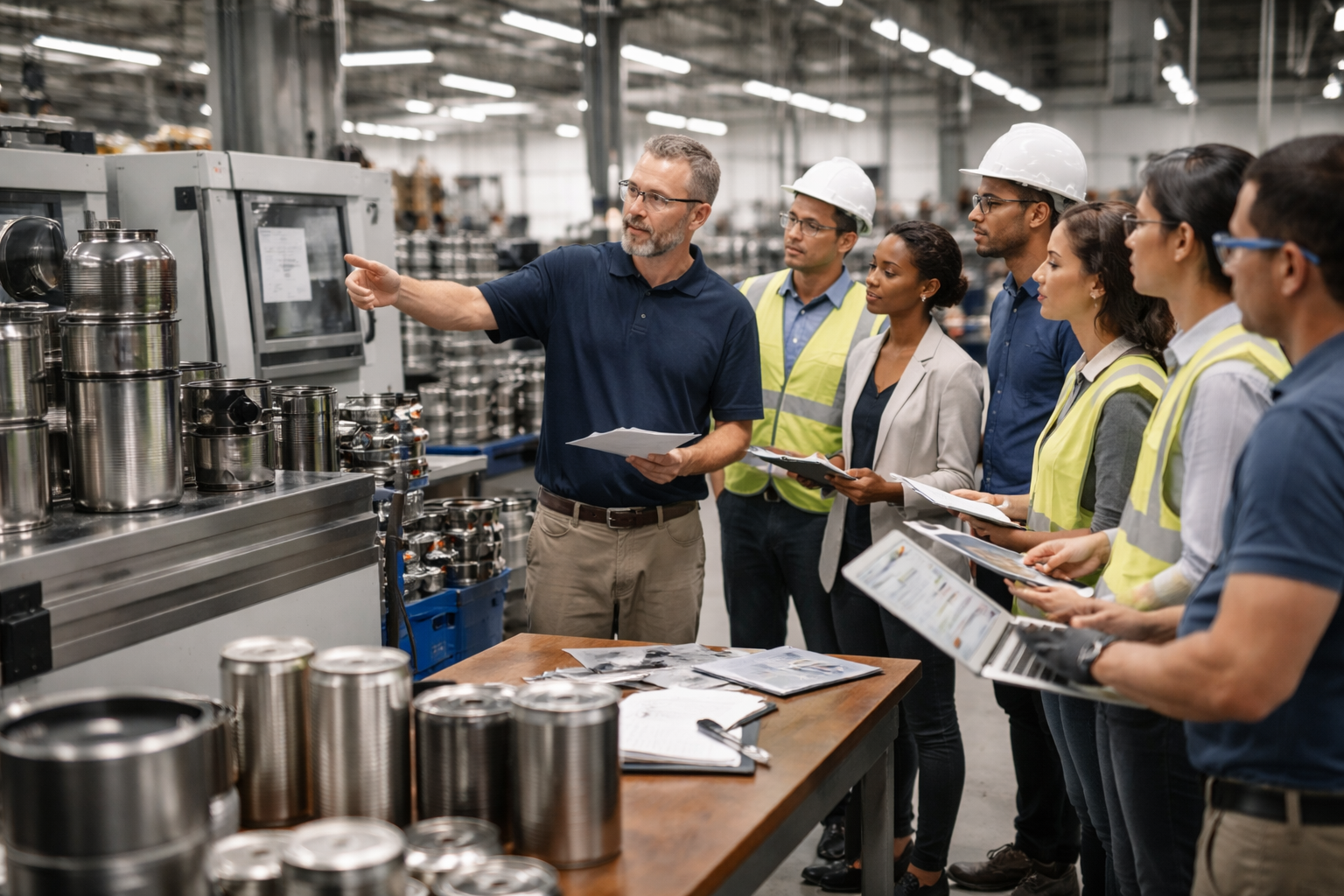
In a highly technical environment like metal packaging, hands-on knowledge and process understanding are essential to ensure efficiency, quality and performance on the production floor.
That’s why our courses go beyond static content, allowing professionals to ask questions directly to instructors, share insights and engage with real industry experts throughout the learning process.
A new approach to industry training
This is where platforms like World Can Academy aim to make a difference. By connecting industry professionals with leading manufacturers and experts, the platform enables access to training based on real production processes, technologies and day-to-day operational challenges.
From the factory floor to structured learning
Training built around real operations allows professionals to learn faster, apply knowledge immediately and understand the full production cycle.
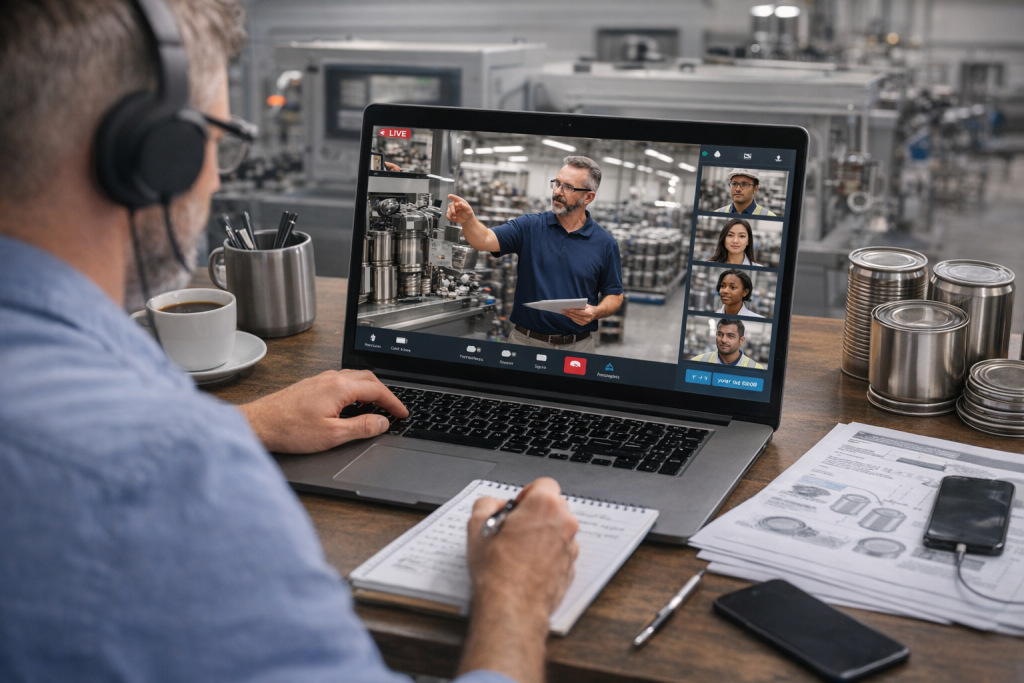
For companies, this model offers a new way to share expertise, train teams and even monetize their knowledge through structured courses. By offering training directly linked to their processes and technologies, manufacturers can position themselves as industry leaders while supporting the development of the sector.
Turn expertise into value with World Can Academy
Companies are no longer just producers, they can also become knowledge providers within the industry.
By transforming their technical expertise into structured training, companies can share best practices, strengthen their market positioning and create new revenue streams through professional education.
For professionals, it represents an opportunity to gain relevant skills, stay up to date with industry standards and obtain certifications that reflect real competencies. This is particularly important in a sector where practical knowledge and experience are critical.
Certification that reflects real capabilities
Beyond theory, certified training helps validate practical knowledge that can be directly applied in industrial environments.
Our courses are designed to be interactive, combining technical content with short assessments at the end of each module to reinforce learning. Each topic includes quick test questions to ensure key concepts are understood, followed by a final exam that must be successfully completed in order to obtain certification.